
P0117 on Dodge Charger
Factory diagnostic protocol and troubleshooting wire for fault code P0117 specifically for the Dodge Charger (2020–2026, 5.7L / 6.4L 392 HEMI / 6.2L Hellcat (717HP–797HP) / Hurricane 3.0L Turbo).
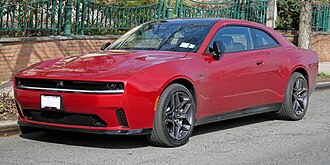
1. Symptoms of P0117 on Dodge Charger
When the Engine Control Module (ECM/PCM) on your Dodge Charger (5.7L / 6.4L 392 HEMI / 6.2L Hellcat (717HP–797HP) / Hurricane 3.0L Turbo) logs fault code P0117, drivers commonly observe:
2. Most Likely Causes on Dodge Charger
Historical warranty claims and technical repair bulletins for Dodge Charger point to the following failure distribution:
3. Step-by-Step DIY Repair Guide for Dodge Charger
Read ECT live PID on scanner. If it reads 284°F (140°C) or higher with engine cold, a short to ground exists. on the Dodge Charger equipped with 5.7L / 6.4L 392 HEMI / 6.2L Hellcat (717HP–797HP) / Hurricane 3.0L Turbo.
Unplug sensor connector while watching live data. If temperature drops to -40°F (-40°C), the sensor itself is shorted. on the Dodge Charger equipped with 5.7L / 6.4L 392 HEMI / 6.2L Hellcat (717HP–797HP) / Hurricane 3.0L Turbo.
If reading stays pegged at max with sensor unplugged, inspect harness for pinch points grounding against engine block. on the Dodge Charger equipped with 5.7L / 6.4L 392 HEMI / 6.2L Hellcat (717HP–797HP) / Hurricane 3.0L Turbo.
Allow engine to cool, unscrew old ECT sensor from coolant crossover pipe or thermostat housing, install new OEM sensor with fresh thread sealant. on the Dodge Charger equipped with 5.7L / 6.4L 392 HEMI / 6.2L Hellcat (717HP–797HP) / Hurricane 3.0L Turbo.
Bleed air from cooling system, clear DTCs, and verify normal temperature rise on live data. on the Dodge Charger equipped with 5.7L / 6.4L 392 HEMI / 6.2L Hellcat (717HP–797HP) / Hurricane 3.0L Turbo.
Equipment for Diagnosing Dodge Charger (P0117)
VVT Oil Control Solenoid Valve
Restores accurate camshaft timing and oil pressure regulation on Dodge Charger.
AstroAI Auto-Ranging Digital Multimeter
Essential for testing 0.1V–5.0V sensor reference signals, ground continuity (<0.20Ω), and harness resistance.
BlueDriver Bluetooth Pro OBDII Scan Tool
Reads and clears enhanced codes (ABS, Airbag, Transmission, Engine) & live freeze-frame telemetry on phone.
Other Common Fault Codes on Dodge Charger
Frequently diagnosed powertrain, emissions, and sensor trouble codes logged on the Dodge Charger:
4. Dodge Charger P0117 FAQs
What causes code P0117 to trigger on a Dodge Charger?
On the Dodge Charger (5.7L / 6.4L 392 HEMI / 6.2L Hellcat (717HP–797HP) / Hurricane 3.0L Turbo), P0117 is most frequently caused by ECT sensor internal short to ground or Short circuit to ground in ECT signal wiring harness.
Where is the OBD-II port located on my Dodge Charger?
On the Dodge Charger, the 16-pin DLC diagnostic connector is located Driver lower dash assembly next to hood lever. Plug in any standard OBD-II scanner with the ignition in the ON position to read freeze-frame parameters.
Can I safely drive my Dodge Charger with code P0117?
No. The ECU thinks the engine is at 280°F+ (overheating) and runs rich or disables cooling fan logic. Given that P0117 carries a High severity rating, we advise avoiding heavy towing or aggressive throttle inputs until sensor readings are verified.